Quick Fixes for Holes, Scuffs, and Surface Damage
Wall Patching & Surface Repair in Collinsville for small holes, dents, and imperfections before painting or listing a home for sale
Legacy Plastering handles wall patching and surface repair in Collinsville when you need to correct visible damage from moving furniture, removing fixtures, or everyday wear that leaves scuffs, dents, and small holes across interior walls. You call before repainting a room, preparing a property for sale, or simply maintaining the appearance of high-traffic areas where damage accumulates over time. This service smooths wall surfaces, fills voids, and blends repairs so walls are clean, uniform, and ready for finish coats without visible blemishes or texture inconsistencies.
Minor wall damage is common in homes and light commercial spaces, but unrepaired imperfections become more noticeable under fresh paint or during showings when buyers scrutinize wall condition. Small holes left by picture hangers, drywall anchors, or doorknob impacts are filled with joint compound or patching plaster, sanded smooth, and blended into the surrounding surface. Larger holes require backer material or mesh to support the patch, followed by multiple coats of compound to build up a flush, seamless repair that matches the existing wall texture and level.
If you need wall repairs completed in Collinsville before painting or showing your home, contact Legacy Plastering to evaluate the damage and schedule fast, cost-effective patching.
Filling, Sanding, and Blending Repairs Into Existing Walls
You start by cleaning loose debris from the damaged area and applying a base coat of joint compound or patching plaster using a putty knife or taping knife, depending on the size of the repair. Small nail holes are filled in a single pass, while larger voids require multiple coats applied in thin layers to prevent cracking as the compound dries. Each layer is allowed to dry fully before sanding with medium-grit paper to level the surface and remove ridges or tool marks left during application.
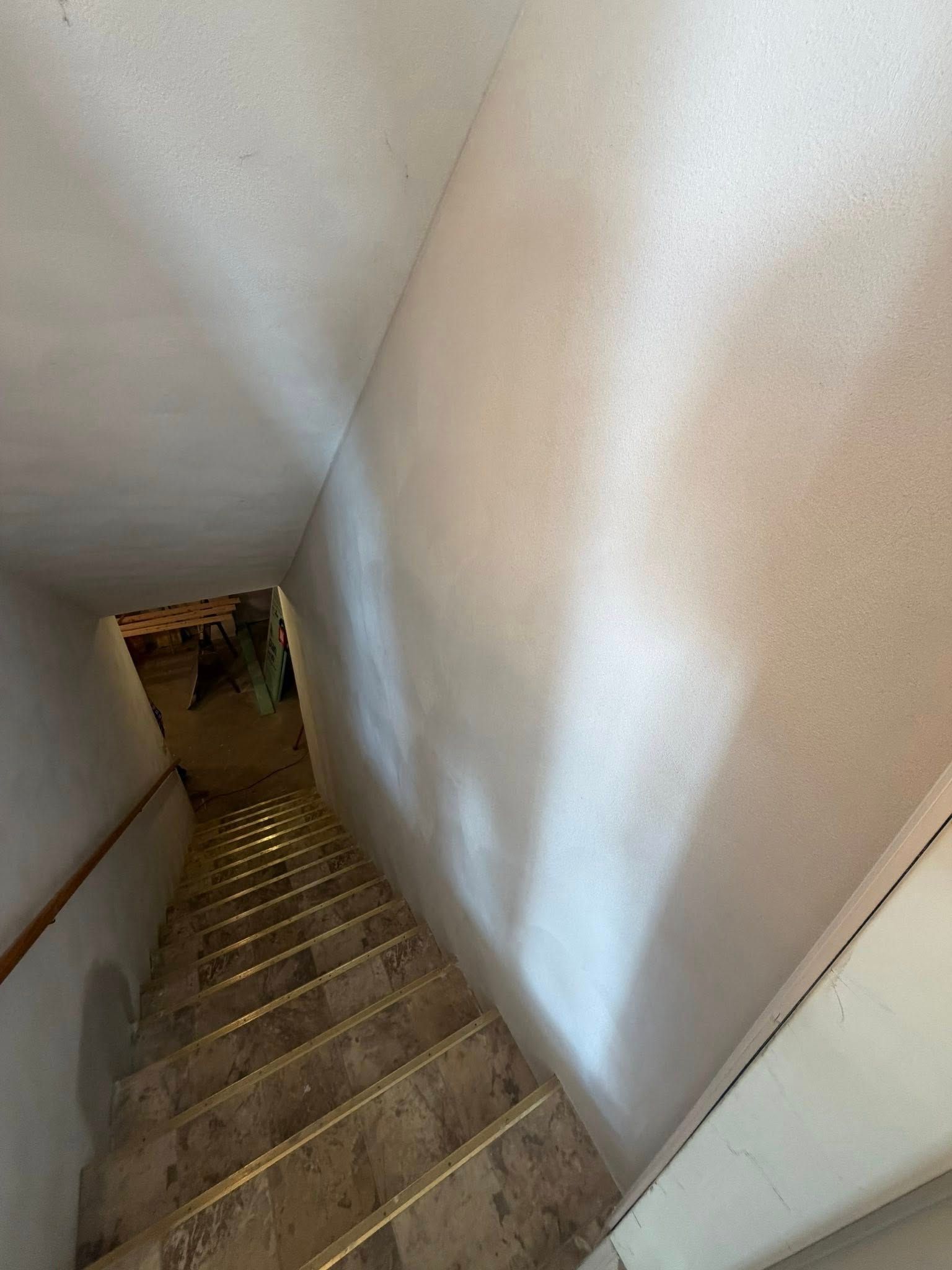
After patching is complete, walls feel smooth to the touch with no detectable edges, bumps, or depressions where damage previously existed. Legacy Plastering blends repairs into surrounding surfaces by matching texture and ensuring the patched zone sits flush with adjacent drywall, so primer and paint adhere uniformly without highlighting the repair location. You see clean, consistent walls ready for finishing without visible scars or surface irregularities that distract from the overall appearance of the room.
The service includes cleaning and preparing damaged areas, applying patching compound, sanding to a smooth finish, and blending repairs into existing wall surfaces. Priming, painting, and texturing are separate steps that follow once patches have cured, and walls must be fully dry before topcoats are applied to avoid adhesion issues.
Answers to Common Wall Patching Questions
Homeowners in Collinsville often ask about drying times, the difference between patching methods, and how to avoid visible repairs after painting.
What type of patching material is best for small holes?
Lightweight spackling compound works well for holes smaller than a quarter-inch, while larger holes benefit from setting-type joint compound that hardens quickly and resists shrinking as it cures.
How long does patching compound take to dry?
Thin applications of lightweight compound dry within two to four hours, but thicker repairs or high-humidity conditions in Collinsville basements may require overnight drying before sanding and additional coats can be applied.
Why do some patches crack after drying?
Applying compound too thickly in a single coat causes uneven drying and shrinkage cracks, which is why larger repairs are built up in multiple thin layers with drying time between each application.
When should I use mesh tape versus paper tape?
Mesh tape is used over joints and larger holes to reinforce the repair and prevent cracking, while paper tape is preferred for smooth, invisible seams on flat drywall joints and corner bead installations.
How do you make sure the patch does not show through paint?
Patches are sanded flush with surrounding drywall, primed with a stain-blocking primer to seal the repair, and feathered at the edges so no ridge or texture change is visible under finish paint.
If you need minor wall repairs handled quickly in Collinsville so your home is ready for painting or market preparation, get in touch with Legacy Plastering to schedule patching and surface smoothing.